Molecular Weight: 177.28
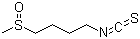
Molecular Formula: C6H11NOS2
Canonical SMILES: CS(=O)CCCCN=C=S
InChI: InChI=1S/C6H11NOS2/c1-10(8)5-3-2-4-7-6-9/h2-5H2,1H3
InChIKey: SUVMJBTUFCVSAD-UHFFFAOYSA-N
Boiling Point: 368.2±25.0°C at 760 mmHg
Purity: ≥90%
Solubility: Soluble in Chloroform (Sparingly), Methanol (Slightly)
Application: Anti-inflammatory/antitumor
Storage: Store at -20°C, sealed storage, away from moisture and light
Synonyms: 4-Methylsulfinylbutyl Isothiocyanate; Sulforaphan; DL-Sulforaphane; Butane, 1-isothiocyanato-4-(methylsulfinyl)-; (±)-sulforaphane; 4-Isothiocyanatobutyl methyl sulfoxide
DescriptionSulforaphaneis a naturally-occurring phytochemical belonging to the class of isothiocyanates. As the aglycone metabolite of glucosinolate glucoraphanin (sulforaphane glucosinolate), sulforaphane acts as an antioxidant and potent stimulator of endogenous detoxifying enzymes. This agent displays anticarcinogenic properties due to its ability to induce phase II detoxification enzymes, such as glutathione S-transferase and quinone reductase, thereby providing protection against certain carcinogens and toxic, reactive oxygen species. Broccoli sprouts contain large amounts of sulforaphane, which is also found in other cruciferous vegetables including cabbage and kale.
More details are to be found on
supplier website